

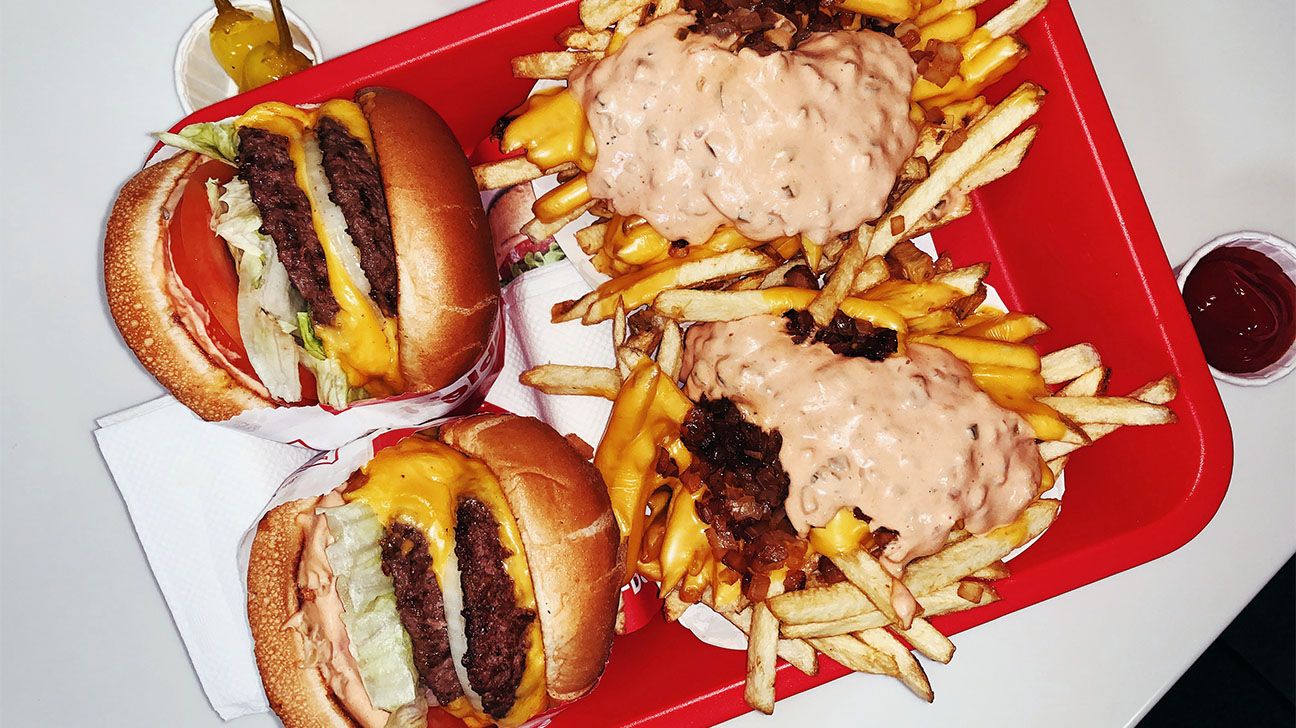
- One recent review found that ultraprocessed foods (UPFs) may be just as habit-forming as tobacco products.
- Scientists found that these foods are designed to heighten pleasure and speed up the delivery of rewarding components.
- The habit-forming nature of such products means they promote uncontrollable eating and interfere with appetite regulation.
- The researchers recommend that ultraprocessed foods ought to be subject to policies comparable to those for cigarettes.
At present, there is no single agreed-upon definition of ultraprocessed foods. Some people describe them as foods that contain components you would not typically use in a home kitchen, such as emulsifiers and additives.
Many professionals use the NOVA food categorization to classify UPFs. This describes foods that are “combinations of ingredients, mostly of manufacturing origin, usually made by a series of factory processes and methods.”
A fresh review featured in The Millbank Quarterly suggested that UPFs may be as addictive as tobacco products.
“I concur with this study, as UPFs are intentionally formulated to be incredibly tempting to many consumers,” stated a weight loss specialist not affiliated with the research.
Research from 2023 suggests that over 73% of the food supply in the US is classified as ultraprocessed.
“Cigarettes and ultraprocessed foods are not simply whole foods but highly engineered consumable products designed specifically to increase biological and psychological reward and repeated intake,” noted the review’s authors.
Are Ultraprocessed Foods Habit-Forming?
The paper synthesized insights from addiction, historical health policy, and dietary science to highlight textural and compositional features that boost the addictive quality of both tobacco and ultraprocessed foods.
“It’s not all people is ‘hooked’ to such products, but for a significant portion, they trigger classic habit-forming behaviors: intense desires, loss of control, and persistent consumption despite harmful consequences,” commented a preventive cardiology dietitian.
“These foods are deliberately engineered with refined carbs, extra oils, salt, and flavor enhancers to maximize pleasure and repeat consumption, and the food sector uses aggressive marketing tactics, especially aimed at children,” she continued.
The authors analyzed five key areas:
- delivery speed
- pleasure-based design, or designing foods to be irresistibly good
- dose optimization
- widespread availability
- deceptive reformulation, or “wellness branding”
The study concluded that, similar to cigarettes, UPFs are carefully calibrated to deliver the right dose of sweetness.
“Processed carbs stimulate the feel-good chemical production through the vagus nerve, whereas lipids do so through intestinal lipid sensing,” the authors wrote.
“… Ultraprocessed foods with significant amounts of refined carbohydrates and added fats are among the most potently rewarding foods in the contemporary food supply. It is key that this processed carb and fat combination is virtually absent in whole foods.”
The way these foods rapidly deliver “feel-good” chemicals to the mind renders them potentially addictive, similarly to cigarettes.
The review noted that while tobacco are engineered to provide nicotine rapidly, UPFs are engineered to be broken down and absorbed quickly, as they usually have minimal fiber. This makes it easier for the body to metabolize fat and sugar faster.
Authors also point out that ultraprocessed foods give deliberate intense tastes that dissipate rapidly and textures that dissolve easily. This collectively works to deliver increased pleasure signals and encourages you to consume additional amounts.
‘Wellness Branding’ in Cigarettes, Ultraprocessed Foods
According to the review, both the tobacco and processed food sectors have long used a tactic known as “health washing.”
This is where goods are advertised and reformulated to generate an perception of reduced harm while maintaining the essential addictive properties.
This tactic in the cigarette sector became popular in the mid-20th century with the introduction of filter tips on smokes.
They were sold as safety features that would trap tar and particles prior to they entered the respiratory system. The truth is, these tips provide minimal meaningful protection.
However, people often adapted by taking bigger puffs or smoking more frequently, which offset any decrease in harmful intake.
The food industry has taken a comparable approach. It employs packaging claims such as “reduced fat” or “sugar-free” to promote UPFs.
Yet, these foods often retain the very highly reinforcing ingredient combinations. The problem is that these changes offer a superficial impression of health while the product’s addictive structure and health risks remain intact.
Should Ultraprocessed Foods Face Controls?
The researchers stated at the end of their review that nourishment and tobacco are fundamentally different.
Nevertheless, they cautioned that certain UPFs function like highly optimized consumables rather than actual food. They recommended that health regulations ought to acknowledge this reality.
“Cigarettes provides a cautionary tale, and tobacco control provides a model of potential,” the researchers stated.
Because of policies, cigarette use levels in the US have fallen and have “reshaped cultural views of smoking and diminished trust in the sector.”
“I believe increased awareness about the negative impact of ultra-processed foods is crucial to lower general consumption and improve population wellness. The strategies used to reduce tobacco consumption have been successful and could be a useful model for ultra-processed foods as well,” said one expert.
“I don’t think UPFs ought to be controlled exactly as tobacco, but they certainly deserve more robust, smoking policy-based measures: marketing restrictions, obvious packaging warnings, stricter rules on wellness assertions, and restrictions in educational institutions or hospitals,” added another dietitian.
The researchers reminded people that lightly altered and unprocessed foods have supported our well-being for thousands of years.


